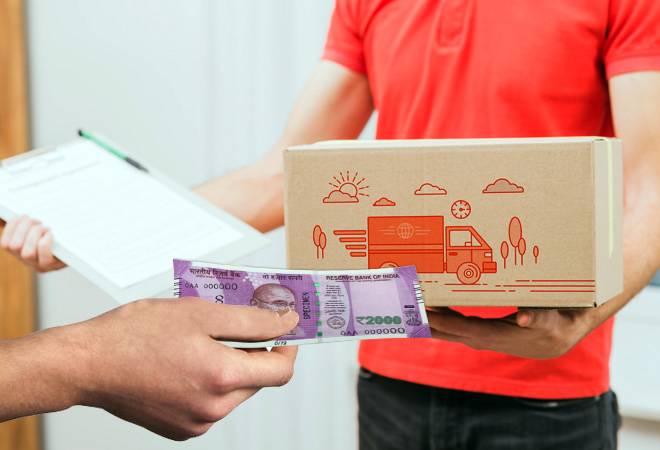

With the rapid rise of e-commerce in India, both consumers and sellers continue to debate whether Cash on Delivery (COD) or online payment is the more reliable mode for completing a transaction. As regional markets grow and Tier-II and Tier-III cities increase their online shopping habits, cash delivery services in India remain a major part of the customer experience. At the same time, digital payment adoption has scaled due to UPI, secure gateways, and wallet-based transactions. Evaluating “which is better” depends on many factors – user trust, payment success rate, return percentages, operational costs, and overall convenience from both business and customer standpoints.
Understanding COD: How It Works
Cash on Delivery is a payment method in which the customer pays only after receiving the product. In most setups, the courier collects the cash, updates the delivery status, and remits the amount back to the seller after a settlement cycle. COD can also include card-on-delivery, where delivery partners carry handheld PoS machines.
COD is particularly popular in markets where digital trust is still building, households prefer physical transactions, or consumers want to inspect items before paying. E-commerce platforms report that COD orders often come from new users, rural markets, or categories like apparel, footwear, and accessories that have higher return rates.
Understanding Online Payments: Process and Reliability
Online payments include UPI transfers, net banking, debit/credit cards, and mobile wallet transactions. These payments are processed through payment gateways that encrypt data, verify transactions, and send real-time confirmation to sellers. The entire process is automated, making it quicker, more trackable, and easier for reconciliation.
India’s digital payment ecosystem has become one of the strongest in the world, with UPI alone recording billions of monthly transactions. For many established customers, online payment is now a default choice because it saves time and avoids cash handling.
Benefits of COD from a Customer Perspective
Customers often choose COD for reasons linked to trust and flexibility. Many prefer paying only when they physically receive the product, especially when ordering from a new seller or website. COD allows them to avoid failed transactions, incorrect charges, or concerns about non-delivery.
Key customer advantages include:
-
No need to share financial details
-
No loss in case of delivery failure
-
Option to refuse the shipment
-
Useful for people without digital payment access
This is why COD remains the first choice in markets where internet banking penetration is limited.
Benefits of Online Payment for Faster and Safer Transactions
Online payment offers speed. As soon as a customer pays, the order moves directly into the processing cycle. This reduces RTO (Return to Origin) cases since paid orders typically have higher fulfillment consistency. Digital payments also eliminate the need for courier partners to handle cash, making the last-mile process faster.
Advantages for customers and sellers include:
-
Instant confirmation
-
No cash handling delays
-
Lower chances of order cancellation
-
Easier refunds through automated systems
-
Better tracking through integrated payment gateways
From a technical standpoint, online payments reduce the friction that COD introduces into logistics operations.
Which Is Better for Businesses? COD or Online Payment?
From a business perspective, online payments typically offer more benefits. They reduce returns, lower service costs, shorten settlements, and automate reconciliation. COD, however, remains necessary to reach customers in regions where digital adoption is still growing.
Industry analysis shows that brands usually follow a hybrid approach:
-
Encourage prepaid orders through discounts
-
Offer COD for selective pin codes
-
Limit COD on high-value or fragile items
-
Use automated tools to verify COD orders
This combination helps optimize shipping cost and improve customer experience.
Conclusion
Both COD and online payment have their own strengths, depending on the buyer’s comfort level and the seller’s operational strategy. COD builds trust and supports customers who prefer physical transactions, while online payments offer speed, automation, consistency, and lower operational costs. In markets where digital literacy is rising, prepaid payments continue to grow rapidly, yet COD still holds importance in expanding e-commerce access across diverse regions. Businesses often rely on balanced strategies and reliable cash delivery services in India to meet customer expectations efficiently.