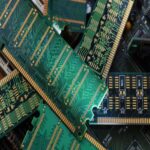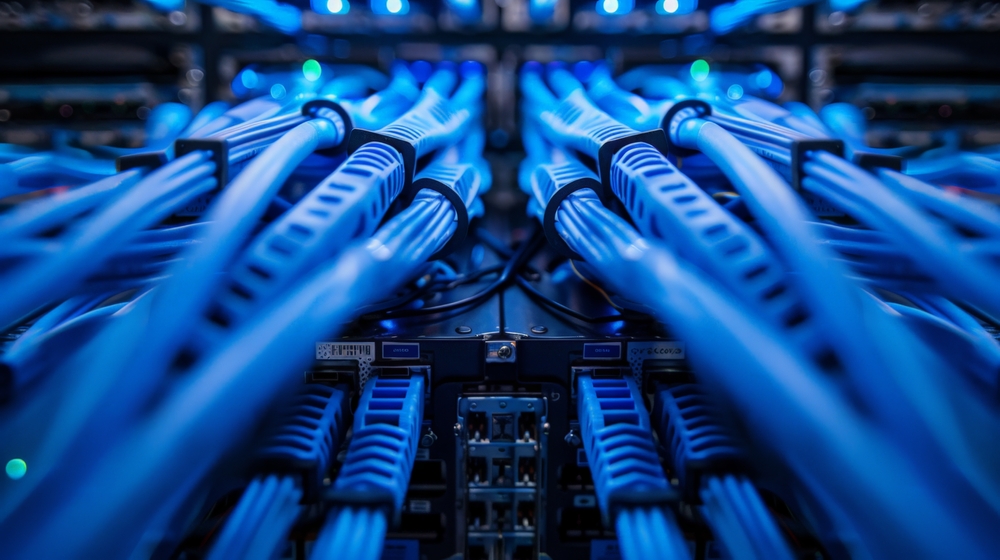

In today’s fast-paced digital world, networking plays a pivotal role in connecting people, devices, and organizations. Understanding the core concepts of networking, IT hardware, and computer hardware is essential for businesses and individuals alike. Networking encompasses all technologies that facilitate data transfer between computers, servers, and other devices. At the heart of every network lies IT hardware, including routers, switches, hubs, network cards, and other essential devices that ensure seamless communication. Computer hardware, on the other hand, refers to the physical components of computers, such as CPUs, motherboards, storage devices, and RAM, all of which interact with networking components to deliver optimal performance.
Effective networking requires the right combination of IT hardware and computer hardware. Without proper hardware, networks can experience bottlenecks, downtime, or security vulnerabilities. By integrating advanced networking solutions with robust computer hardware, organizations can achieve higher efficiency, faster data transfer, and improved overall performance. Networking is no longer just about connecting devices; it is about creating an ecosystem where IT and computer hardware work in harmony to deliver reliable, secure, and scalable solutions.
The Role of IT Hardware in Networking
IT hardware forms the backbone of any network. Devices such as servers, routers, switches, firewalls, and access points are all critical to the operation of both small-scale and enterprise networks. Servers handle data storage and processing, ensuring that applications and websites remain accessible to users at all times. Routers facilitate the transfer of data between different networks, while switches connect multiple devices within the same network, enabling efficient communication. Firewalls act as security barriers, protecting networks from unauthorized access and cyber threats. Access points, especially in wireless networks, provide connectivity to devices over Wi-Fi, allowing users to connect seamlessly without physical cables.
Modern IT hardware has evolved to meet the growing demands of digital transformation. High-performance servers and next-generation switches offer faster processing speeds, lower latency, and greater reliability. With virtualization and cloud computing, IT hardware has become more flexible, allowing organizations to scale their networks according to real-time needs. The integration of IT hardware with networking software solutions ensures smooth data flow, enhanced network security, and simplified management of complex infrastructures.
Computer Hardware and Its Networking Impact
While networking primarily deals with the transfer of data, computer hardware determines how efficiently this data can be processed. Components such as processors, RAM, graphics cards, and storage devices play a significant role in network performance. A high-performance processor can handle multiple network requests simultaneously, while adequate RAM ensures smooth multitasking and quick data processing. Storage devices, such as SSDs, reduce latency in retrieving and saving data, making file sharing and network-based applications more efficient. Even graphics cards impact networking indirectly, especially in tasks like video conferencing, streaming, and virtualization, where graphical processing is offloaded from the CPU to ensure better performance.
Understanding the synergy between computer hardware and networking devices is crucial for IT professionals. A network can only perform as well as the hardware supporting it. Investing in reliable computer hardware not only improves network speed but also enhances overall user experience. Businesses that upgrade their IT hardware regularly experience fewer downtimes, better data integrity, and stronger protection against cyber threats. Networking solutions must consider the capabilities of computer hardware to optimize both speed and security.
Types of Networking Technologies
Networking technologies have evolved significantly over the past decades. Today, organizations rely on a variety of networking solutions to meet their communication and data transfer needs. Local Area Networks (LANs) connect devices within a limited geographical area, such as an office or building. Wide Area Networks (WANs) extend connectivity across larger regions, often linking multiple branch offices. Wireless networks (Wi-Fi) allow mobility and flexibility, while Virtual Private Networks (VPNs) provide secure remote access over public networks. Emerging technologies like Software-Defined Networking (SDN) and Network Function Virtualization (NFV) are transforming the way networks are managed, offering greater agility, automation, and cost-efficiency.
Each networking technology comes with its own set of hardware requirements. LANs rely heavily on switches, Ethernet cables, and routers, while WANs depend on high-capacity routers and network service providers. Wireless networks require access points, wireless controllers, and compatible client devices. VPNs integrate with firewalls, VPN gateways, and endpoint security solutions to ensure secure data transfer. By understanding these technologies, IT professionals can design networks that are not only fast and reliable but also secure and scalable.
Networking Devices and Their Functions
Networking devices are integral to establishing and maintaining connectivity. Routers, for instance, are responsible for forwarding data packets between networks and determining the optimal path for transmission. Switches operate within LANs to connect multiple devices, ensuring efficient data flow without congestion. Hubs, though largely obsolete, once served as basic connection points for networked devices. Network Interface Cards (NICs) enable computers to communicate with networks, while modems provide internet connectivity over telephone or cable lines. Firewalls, both hardware and software-based, protect networks from malicious attacks and unauthorized access.
The performance and reliability of a network depend on selecting the right devices for specific tasks. Enterprise networks may require high-speed switches and managed routers capable of handling thousands of simultaneous connections. Small businesses might opt for simpler, cost-effective solutions that provide basic connectivity without sacrificing security. Additionally, network monitoring tools and management software complement networking devices by providing real-time insights into performance, traffic patterns, and potential issues.
Network Security and Hardware Integration
Network security is a critical aspect of modern IT infrastructure. Cyber threats, including malware, ransomware, and phishing attacks, can compromise sensitive data and disrupt business operations. Integrating security measures with IT hardware is essential to create a resilient network. Firewalls, intrusion detection systems, antivirus solutions, and secure access controls are standard security measures. Moreover, hardware-level security, such as Trusted Platform Modules (TPM) and secure boot mechanisms, ensures that devices themselves are protected from tampering.
Effective network security requires collaboration between networking experts and IT hardware specialists. Ensuring that routers, switches, and servers are properly configured reduces vulnerabilities. Regular updates to firmware and hardware components prevent exploitation of known security flaws. By prioritizing security at both the hardware and network level, organizations can safeguard data integrity, maintain regulatory compliance, and minimize the risk of cyber incidents.
The Importance of Network Scalability
Scalability is a fundamental consideration in networking. As organizations grow, their networks must adapt to increased demand without compromising performance. IT hardware, including high-capacity servers and modular switches, plays a pivotal role in enabling scalable solutions. Computer hardware upgrades, such as adding RAM, expanding storage, or improving processing power, allow networks to accommodate more users and applications.
Cloud-based networking solutions further enhance scalability by providing flexible, on-demand resources. Hybrid networks, combining on-premises hardware with cloud infrastructure, offer the best of both worlds: reliability, security, and the ability to scale quickly. Planning for future growth ensures that networking investments are not rendered obsolete, and organizations can maintain a competitive edge in an increasingly connected world.
Emerging Trends in Networking
The networking landscape is constantly evolving, driven by innovations in IT and computer hardware .Technologies such as 5G, edge computing, Internet of Things (IoT), and Artificial Intelligence (AI) are reshaping network design and functionality. 5G network promise ultra-fast speeds and low latency, enabling new applications in gaming, telemedicine, and autonomous vehicles. Edge computing reduces latency by processing data closer to the source, optimizing performance for IoT devices and real-time applications. AI-powered network management tools automate monitoring, detect anomalies, and enhance decision-making, improving overall network efficiency.
Adopting these emerging trends requires investment in compatible IT hardware and robust computer hardware. Organizations must stay informed about technological advancements to integrate new solutions effectively. By embracing innovation, networks can become smarter, faster, and more adaptable to changing business and technological needs.
Optimizing Networking for Business Efficiency
Optimizing networks is not just about deploying advanced hardware; it involves strategic planning and regular maintenance. Network audits, performance monitoring, and hardware upgrades are essential practices. Properly configured routers, switches, and servers reduce latency, prevent downtime, and enhance user experience. Network optimization also involves implementing redundancy and failover mechanisms to ensure continuous availability.
For businesses, efficient networking translates into improved productivity, faster decision-making, and better customer service. Cloud-based applications, VoIP communications, and collaborative platforms rely on reliable networks to function effectively. By integrating top-quality IT hardware and computer hardware with strategic networking practices, organizations can achieve operational excellence and maintain a competitive advantage.
Conclusion
Networking, IT hardware, and computer hardware are intertwined components that form the foundation of modern digital infrastructure. From servers and routers to processors and storage devices, each element contributes to seamless connectivity and enhanced performance. As networking technologies continue to evolve, businesses must prioritize integration, security, and scalability to meet growing demands. By understanding the critical role of IT and computer hardware in networking, organizations can build resilient, efficient, and future-ready networks that drive innovation and success.