

The bedrock of the United Kingdom’s food production rests firmly on the efficiency and reliability of its agricultural sector. At the core of this operational capability lies the consistent supply of fuel, primarily agricultural diesel, often referred to as ‘red diesel’ or ‘gas oil’ due to its identifying red dye and tax-rebated status. For farmers, securing this essential fuel is a continuous challenge, making the relationship with agricultural diesel suppliers and the practice of domestic oil delivery absolutely pivotal to their success.
Understanding Agricultural Diesel in the UK Context

Agricultural diesel is essentially a low-tax version of regular road diesel, permitted for use in off-road vehicles, machinery, and equipment used in agriculture, horticulture, and forestry. This tax rebate is a critical support mechanism for the farming industry, allowing farmers to manage the high operating costs associated with modern farming practices. The fuel powers a vast array of machinery, from heavy-duty tractors and combine harvesters used for ploughing and harvesting to generators, pumps, and grain dryers. The very colour of red diesel acts as a marker for Her Majesty’s Revenue and Customs (HMRC), allowing them to distinguish it from the standard, higher-taxed ‘white diesel’ used in road vehicles.
The regulations governing the use of red diesel in the UK were significantly tightened in April 2022, restricting its use to primarily agriculture, horticulture, fish farming, forestry, and non-commercial heating. For farmers, this meant a clear demarcation in the fuels they use: red diesel for their main farming machinery and operations, and white diesel for any vehicles used for non-permitted tasks, including most on-road commercial activities. Staying compliant with these regulations is a non-negotiable part of a farmer’s responsibility, and reliable suppliers are essential in ensuring the correct type and specification of fuel is provided.
The Significance of Domestic Oil Delivery for Farms
The logistical challenges faced by UK farms, many of which are situated in remote rural areas with limited access to traditional fuel stations, elevate the importance of domestic oil delivery. This service ensures that agricultural diesel, lubricants, and even heating oil are brought directly to the farm’s storage tanks, often in bulk quantities. A reliable domestic oil delivery network transforms the fuel acquisition process from a potential logistical nightmare into a streamlined operation.
Suppliers in the UK have developed extensive nationwide networks, often operating through local depots, to guarantee same-day or next-day delivery options. This rapid response capability is particularly crucial during peak seasons, such as planting and harvesting, when machinery downtime due to fuel shortages can lead to significant financial loss and missed agricultural windows. The delivery process itself is managed by specialist tankers and drivers trained to navigate difficult farm tracks and safely pump fuel into on-site storage tanks, adhering to strict environmental and safety regulations.
Ensuring Continuity and Quality of Supply
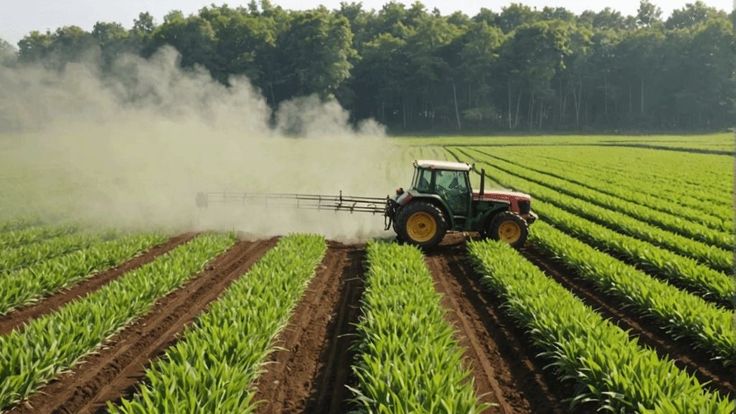
Beyond mere delivery, agricultural diesel suppliers offer comprehensive services that are indispensable to the modern farmer. Firstly, they ensure the quality and compliance of the fuel. They are typically Registered Dealers in Controlled Oils (RDCO), legally permitted to supply rebated fuels. This provides farmers with the assurance that the red diesel they receive meets the required specifications and is legally compliant for their designated agricultural use.
Secondly, many suppliers offer flexible delivery options and technology to manage stock. This includes options for scheduled deliveries, which help farmers maintain optimal fuel levels without the risk of running out, and emergency delivery services for those unexpected situations. Furthermore, some companies offer tank telemetry systems, which automatically monitor fuel levels and alert the supplier when a top-up is needed, effectively taking the burden of fuel management entirely off the farmer’s shoulders. This level of service is a practical application of the convenience implied by domestic oil delivery but on an industrial scale.
Navigating Price Volatility and Future Fuels
The cost of fuel is one of the most significant variables in a farm’s budget, and global price fluctuations can severely impact profit margins. Agricultural diesel suppliers often provide various pricing options to help farmers manage this volatility, such as fixed-price contracts or bulk buying discounts. Access to real-time price information and expert advice from suppliers allows farmers to make informed decisions on when to purchase their fuel to secure the best rates, thereby enhancing their financial resilience.
Looking ahead, the agricultural sector, like all industries, is navigating the push towards decarbonisation. Progressive agricultural diesel suppliers are beginning to offer alternative, more sustainable fuels, such as Hydrotreated Vegetable Oil (HVO). HVO is a renewable diesel alternative that can significantly reduce greenhouse gas emissions, and many modern farming machines can use it without modification. As the industry evolves, the domestic oil delivery model will adapt to supply these next-generation fuels, continuing to be the reliable conduit between energy production and the nation’s farms.
In summary, the role of agricultural diesel suppliers in the UK is far more than transactional; it is a critical partnership. Their reliable and compliant domestic oil delivery service, combined with expert advice and flexible ordering options, underpins the operational stability of the UK’s agricultural sector. As farming continues to face economic and environmental challenges, a robust and responsive fuel supply chain remains an essential component of its ability to feed the nation.