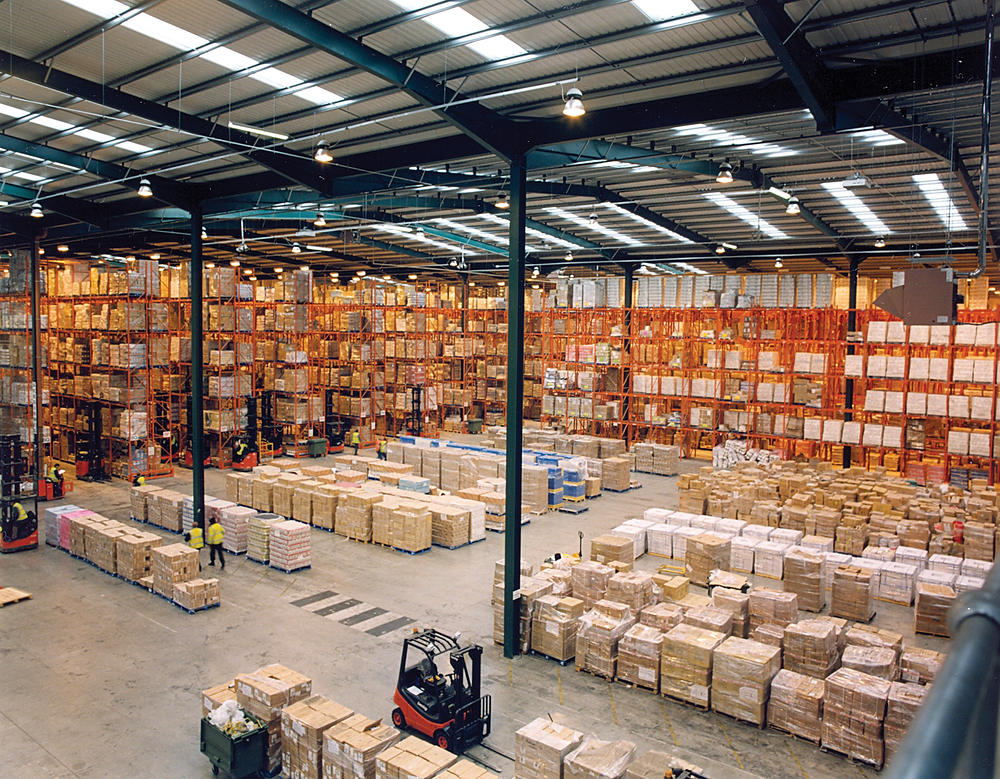

In today’s rapidly evolving supply chain landscape, businesses rely on efficient storage and distribution systems to maintain smooth operations. Understanding the main categories of warehousing helps companies choose facilities that match their volume, product type, and service requirements. This is especially true for brands evaluating Warehouse Services in India, where logistics networks vary widely across regions and industries. While warehousing models may differ in scale and complexity, most operations fall under four major types: private, public, bonded, and distribution/fulfillment warehouses.
1. Private Warehouses: Controlled, Customizable, and Long-Term
Private warehouses are owned or leased exclusively by manufacturers, wholesalers, or large retailers. These facilities offer complete control over infrastructure, technology, and labor management. Many enterprises choose private warehouses when they handle high inventory volumes or require specialized storage such as cold chains, hazardous material sections, or high-security zones.
In practice, private warehousing is often seen in industries like FMCG, pharmaceuticals, automotive parts, and electronics. The upfront investment is usually substantial due to land, construction, maintenance, and workforce requirements. However, companies that scale consistently often find private warehouses more cost-effective over time.
Private warehouses also allow customized workflows such as automated conveyor systems, robotics-assisted picking, or specialized packaging units which help businesses maintain consistent product quality. The setup is ideal for brands that want predictable storage capacity and operational flexibility without depending on third-party providers.
2. Public Warehouses: Affordable, Flexible, and Widely Accessible
Public warehouses, managed by government authorities or private operators, offer storage facilities on a rental basis. These warehouses are popular with small and medium businesses needing short-term storage or seasonal capacity. Users pay only for the space and duration used, making public warehousing one of the most cost-efficient options for unpredictable or fluctuating inventory.
A key advantage of public warehouses is their wide geographic availability. Many logistics hubs across India – Mumbai, Chennai, Delhi, Kolkata, and emerging Tier II cities have government-approved public storage units that support agriculture, retail, and commodity-based industries. Businesses that lack capital for building or leasing private warehouses often rely on this model to maintain market presence without high operational costs.
However, public warehouses may have limitations in terms of specialized storage equipment or advanced automation. Since they serve multiple businesses simultaneously, customization is minimal, and service levels may vary by provider or region.
3. Bonded Warehouses: Duty-Free Storage for Importers
Bonded warehouses are licensed facilities where imported goods can be stored without paying customs duty immediately. Importers pay the duty only when the goods leave the warehouse for sale or consumption in the domestic market. This delayed payment mechanism helps companies manage cash flow more efficiently and import in larger quantities without immediate financial pressure.
These warehouses are regulated by customs authorities to ensure compliance with import/export laws. They are commonly used for products such as liquor, electronics, luxury goods, raw materials, chemicals, and machinery. Bonded facilities offer high security, detailed documentation processes, and temperature-controlled storage when needed.
Bonded warehousing is especially beneficial for businesses involved in global trade. Importers can hold inventory longer, wait for favorable market conditions, and release stock strategically to reduce losses. The model supports international supply chains by making cross-border operations smoother and more financially manageable.
4. Distribution and Fulfillment Warehouses: Fast, Technology-Driven, and E-Commerce Friendly
Distribution centers and fulfillment warehouses are designed for rapid movement of goods rather than long-term storage. These facilities play a crucial role in modern retail and e-commerce, where businesses must ship orders as soon as they are placed. Unlike traditional warehouses that focus mainly on bulk storage, distribution centers emphasize real-time inventory flow, efficient order picking, packing, labeling, and dispatch.
Many of these warehouses integrate advanced technologies such as WMS (Warehouse Management Systems), automated scanning, RFID tracking, IoT devices, and data-driven route planning. Their purpose is to reduce turnaround time, minimize last-mile delays, and ensure accurate order processing.
Fulfillment centers, a specialized subset of distribution warehouses, are optimized for direct-to-consumer deliveries. They handle thousands of small orders daily, supporting marketplaces, D2C brands, and online sellers who require fast, scalable logistics. As consumer expectations shift toward same-day and next-day delivery, the importance of such warehousing models continues to grow.
How Businesses Choose the Right Warehouse Type
Selecting the right type of warehouse depends on multiple operational factors, including:
- Inventory scale and seasonality
- Product categories and storage requirements
- Budget for warehousing and fulfillment
- Regulatory needs for imports or hazardous goods
- Expected delivery speeds and customer service goals
Large enterprises with steady demand may prefer private warehouses for complete control, while SMEs or seasonal businesses often lean toward public warehousing for cost efficiency. Import-driven companies benefit from bonded warehouses, and fast-moving e-commerce brands rely heavily on distribution and fulfillment centers.
Conclusion
Understanding the four major types of warehousing – private, public, bonded, and distribution/fulfillment helps businesses design storage and logistics strategies that align with their operational goals. As supply chains evolve, companies need warehousing solutions that support speed, scalability, compliance, and cost efficiency. This is why choosing the right Warehouse Services in India can significantly impact performance across procurement, stocking, and delivery. By matching business needs with the right warehouse model, brands can build stronger, more resilient logistics structures that support long-term growth.