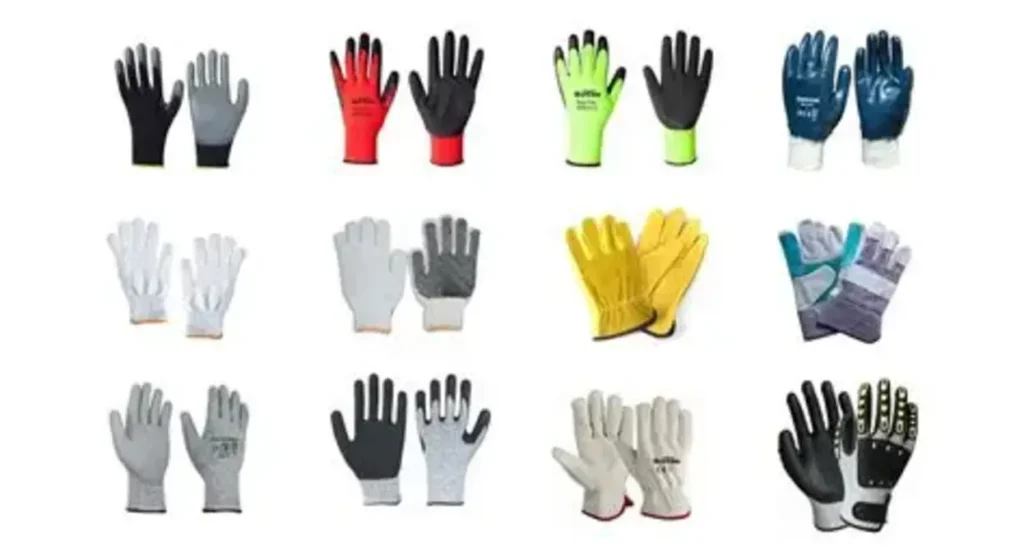

Selecting the right Work Gloves is more than a safety decision. It affects performance, comfort, and long term productivity across industries. From construction sites and factories to laboratories and logistics centers, workers depend on hand protection that matches the hazards of their environment. This guide explains how to choose the proper Work Gloves for different applications, what features matter most, and how today’s manufacturers are raising the bar with improved materials and design.
Why Work Gloves Matter
Hands are exposed to more hazards than almost any other part of the body. Cuts, abrasions, heat, chemicals, vibration, and impact can all lead to injuries that slow down operations and increase costs. Proper Work Gloves reduce these risks while helping workers maintain grip, dexterity, and confidence. When companies choose gloves that match each task, they create safer workspaces and support higher efficiency.
Key Factors When Selecting Work Gloves
Choosing the right pair starts with understanding the job. Each task presents a mix of hazards, and the glove should protect against all of them without limiting motion or control. The most important factors include:
1. Material
Different materials offer different strengths. Leather resists abrasion and heat. Nitrile resists chemicals and punctures. Latex provides flexibility and strong wet grip. Neoprene handles oils. Synthetic blends balance strength, comfort, and breathability. Knowing what a worker will touch helps determine the best material.
2. Grip
Slippery tools and surfaces increase accidents. Some gloves feature textured palms, sandy coatings, or patterned finishes that lock onto surfaces. Others provide a smooth feel for tasks that require precision. The right grip improves control and cuts down on hand fatigue.
3. Dexterity
Fine work requires thin and flexible materials. Heavy duty tasks need thicker protection. The best Work Gloves strike the right balance so workers can move naturally without compromising safety.
4. Durability
Gloves wear down over time. High quality construction and reinforced areas ensure longer service life. This reduces replacement costs and helps keep safety consistent across shifts.
5. Fit and Comfort
A glove that fits poorly leads to reduced performance. Workers should have full finger movement, no pressure points, and enough airflow to prevent sweating. Many modern gloves use ergonomic shaping for better alignment with the hand’s natural motion.
Types of Work Gloves and Their Best Uses
Every task has its own demands. Here are the most common categories of Work Gloves and where they perform best.
Cut Resistant Gloves
These gloves use high strength fibers such as HPPE, Kevlar, or steel blends to protect against sharp edges. They are essential in metal fabrication, glass handling, machining, and construction. Modern cut resistant gloves offer strong protection while staying lightweight, which keeps workers fast and accurate.
Chemical Resistant Gloves
Tasks that involve solvents, acids, oils, and detergents require gloves made of nitrile, neoprene, PVC, or butyl rubber. Each material protects against different chemicals, so companies should review compatibility charts before choosing. A well designed chemical glove protects skin without reducing mobility.
Impact Resistant Gloves
Workers in construction, oil and gas, and heavy equipment operations face hazards from falling objects, heavy tools, and sudden impact. Impact resistant gloves include padding across the knuckles and back of the hand to absorb shock. They maintain strong grip and dexterity while adding crucial protection.
Heat and Cold Resistant Gloves
High temperature gloves protect workers who handle hot tools, welding equipment, or heated materials. These often use leather or treated fabrics that resist heat transfer. Cold resistant gloves are insulated to keep hands warm during refrigerated work, cold storage, or winter operations. Both types protect comfort and reduce strain.
Disposable Gloves
Thin gloves made of nitrile or latex provide a clean barrier for medical, laboratory, food handling, and inspection tasks. They are designed for short duration use and high precision. Quality disposable gloves combine strength, tactile sensitivity, and consistent thickness.
General Purpose Gloves
These are the workhorses of many industries. They offer solid protection from abrasions, scrapes, and light impacts. Often made of leather or fabric with a coated palm, they suit maintenance, shipping, farming, and daily operational tasks.
Features That Set Modern Work Gloves Apart
Manufacturers today integrate advanced technologies to improve performance. Coatings such as sandy nitrile enhance grip in wet or oily conditions. Seamless knitting improves comfort. Reinforced fingertips extend lifespan. Touchscreen compatibility lets workers use digital tools without removing their gloves. These upgrades help companies meet productivity goals while keeping workers protected.
Matching Gloves to the Task
The best way to choose Work Gloves is to evaluate the actual hazards of each job. Companies should:
- Identify risks such as cuts, punctures, heat, or chemicals
- Select materials that address those risks
- Ensure the gloves allow natural movement
- Test different options in real day to day tasks
- Train workers on proper use and replacement schedules
- A well matched glove improves both safety and speed.
Final Thoughts
Work Gloves are a small investment that delivers major returns in safety, comfort, and performance. By choosing gloves that match the job, companies protect their teams and strengthen operations. With improved materials and smart design, today’s gloves offer better protection than ever while supporting precision and productivity across global industries – mitrasaruta.com.