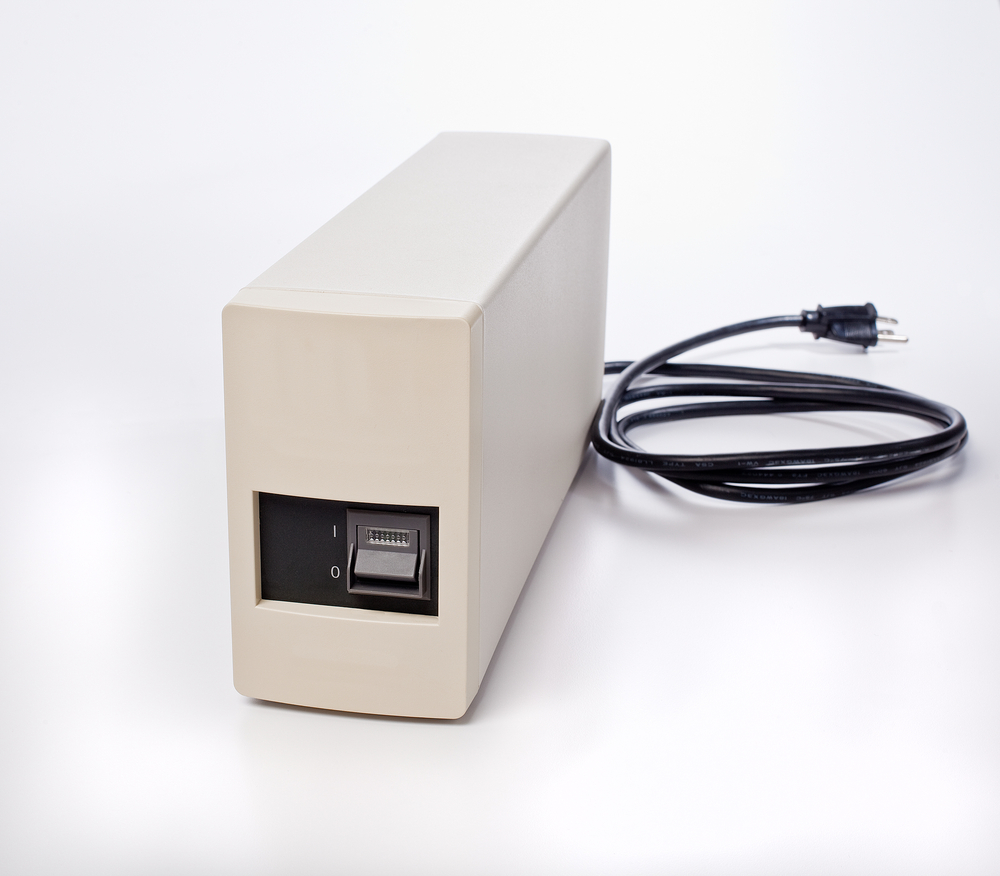

In today’s digitally driven world, the stability of electricity is no longer a luxury—it is a necessity. From personal computers in homes to massive data centers supporting global businesses, uninterrupted power is essential for smooth operations. This is where a Computer UPS (Uninterruptible Power Supply) becomes critical. A Computer UPS serves as a bridge between a sudden power failure and the safe shutdown of critical systems, helping prevent data loss and physical damage to valuable IT Hardware and Computer Hardware.
Every organization that relies on technology—whether for communication, data storage, processing, or transactions—understands the importance of power protection. Even a split-second power disruption can damage sensitive components or corrupt important information. With increasing reliance on digital infrastructure, a Computer UPS is no longer an optional accessory; it is a core element of responsible and intelligent system management.
This article explores in depth what a Computer UPS is, how it works, the different types available in the market, their benefits, and how to choose the right UPS for your specific Computer Hardware needs.
What is a Computer UPS?
A Computer UPS (Uninterruptible Power Supply) is a device designed to supply backup power to computers and related Computer Hardware when the primary electrical source fails. Unlike a standard generator, which takes time to start, a UPS instantly switches to battery power the moment it detects a power outage or fluctuation. This immediate response is crucial for protecting sensitive IT Hardware from sudden electrical changes.
A UPS typically consists of a battery, an inverter, a rectifier, and a controller. When the main power supply is available, the UPS charges its internal battery and supplies conditioned power to connected devices. When power is lost or becomes unstable, the UPS automatically draws energy from the battery and delivers it to the computer system, ensuring continuous operation for a limited period of time.
This short window of backup power allows users to save their ongoing work, properly shut down their systems, and prevent corruption of files or damage to internal components. For critical environments like hospitals, server rooms, and financial institutions, a Computer UPS can be the key difference between smooth continuity and catastrophic loss.
Why Computer UPS is Essential in Modern IT Hardware
The growing complexity of IT Hardware means systems are more powerful, but also more sensitive than ever before. Modern Computer Hardware such as SSDs, GPUs, motherboards, processors, and servers depend heavily on stable power conditions. Voltage drops, surges, or spikes can immediately degrade performance or destroy components.
A Computer UPS provides multiple layers of protection, including:
It prevents sudden shutdowns that could damage operating systems.
It protects expensive internal components from voltage fluctuations.
It ensures business operations remain unaffected during brief power failures.
It stabilizes incoming power, providing a consistent flow of electricity.
With businesses relying on always-on systems for cloud computing, customer service, remote access, and cybersecurity, the role of the Computer UPS in protecting IT investments has increased tenfold.
Even for home users, a single power outage can result in the loss of important documents, damage to storage devices, or corruption in operating system files. A UPS works as both a shield and a safety net, allowing users to maintain control during uncertain electrical conditions.
Different Types of Computer UPS Systems
Not all Computer UPS systems are the same. Each type is designed for a different level of power protection and budget range. Understanding these differences is important when selecting a UPS for your Computer Hardware setup.
Standby UPS (Offline UPS)
The Standby UPS is the most basic and affordable type of UPS. Under normal conditions, the connected devices receive power directly from the main source. When a power cut or voltage drop is detected, the UPS switches to battery power.
This type of Computer UPS is common in home environments and for personal computers. While the switchover time is very short, it may not be suitable for high-end servers or critical IT Hardware that requires constant, flawless power delivery.
Its affordability and simplicity make it a popular choice for individual users and small offices that want basic protection.
Line-Interactive UPS
A Line-Interactive UPS provides better voltage regulation than a standby UPS. It contains an automatic voltage regulator that corrects minor voltage fluctuations without switching to battery power. This helps extend battery life and improves protection.
This type of Computer UPS is ideal for workstations, network equipment, and medium-range Computer Hardware installations. It is very popular among small to medium businesses because it strikes a balance between performance and cost.
If your location experiences frequent voltage fluctuations rather than full power outages, this type of UPS can be an excellent choice for maintaining stable system performance.
Online UPS (Double Conversion UPS)
The Online UPS is the most advanced and reliable type of Computer UPS. It constantly converts incoming AC power into DC and then back into AC, completely isolating connected Computer Hardware from the main electrical source. Because of this, there is zero transfer time in the event of a power failure.
This type of UPS is commonly used in data centers, hospitals, financial institutions, and industrial environments where power stability is absolutely critical. Online UPS systems provide the highest level of protection but are also more expensive and generate more heat.
For organizations that rely heavily on mission-critical systems and valuable IT Hardware, an online UPS is often considered a necessary investment rather than an optional upgrade.
Key Benefits of Using a Computer UPS
The advantages of installing a Computer UPS go far beyond simple battery backup. It offers complete power management for your IT Hardware and enables system longevity.
One of the most significant advantages is data protection. When systems shut down unexpectedly, files that are being written or processed may become corrupted or lost forever. A UPS gives you enough time to save your work and safely shut down your system.
Another critical benefit is hardware protection. Sudden surges and spikes in electricity can burn components such as motherboards, RAM, and hard drives. A quality Computer UPS conditions incoming power and filters these dangerous fluctuations.
UPS systems also provide operational continuity. In environments like call centers, server rooms, or surveillance systems, even a few minutes of downtime can result in major problems. A Computer UPS ensures that essential operations continue uninterrupted.
Additionally, UPS systems enhance productivity by preventing loss of unsaved work and system crashes, especially in office environments where employees depend on Computers for daily tasks.
The Role of Computer UPS in Businesses
Businesses today are entirely dependent on IT infrastructure. From email communication to transaction processing, everything runs on strong and reliable Computer Hardware. Without a UPS, every power failure becomes a threat to business operations.
Small startups and large enterprises alike use Computer UPS systems to protect:
Servers and data storage units
Network switches and routers
Workstations and employee computers
POS systems and security cameras
A sudden power outage during an online transaction, for example, could result in incomplete records, billing errors, or customer dissatisfaction. In contrast, a Computer UPS ensures that operations are safely managed or gracefully shut down during outages.
Furthermore, by protecting equipment from electrical damage, businesses also reduce replacement and maintenance costs, making a UPS a long-term cost-saving investment rather than an additional expense.
Choosing the Right Computer UPS for Your System
Selecting the right Computer UPS depends on several factors, including power requirements, type of hardware, and intended usage. One of the most important considerations is the VA (Volt-Ampere) rating. This rating determines how much load the UPS can support.
To calculate the required UPS capacity, you need to consider the power consumption of all connected Computer Hardware, including monitors, CPUs, networking equipment, and external drives. Choosing a unit with at least 20-30% extra capacity is recommended for future expansion and safety.
Battery runtime is another key factor. If you need only a few minutes to shut down your systems, a smaller UPS may be sufficient. For longer backup times, consider high-capacity battery modules or external battery packs.
You should also evaluate features such as LCD displays, voltage regulation, alarm systems, USB/serial connectivity, and monitoring software. These features allow users to track battery health, receive alerts, and automate safe system shutdown.
Always ensure that the Computer UPS is compatible with your operating system and can integrate with your IT infrastructure smoothly.
Maintenance and Lifecycle of a Computer UPS
Maintaining a UPS is essential to ensure reliable performance. The internal batteries of a Computer UPS typically last between three to five years, depending on usage, environment, and quality. Regular testing helps identify battery issues before an actual power failure occurs.
It is recommended to keep the UPS in a cool, dust-free area with proper ventilation. Overheating can shorten battery life and reduce efficiency. Keep it away from moisture, direct sunlight, and strong magnetic fields.
Many modern UPS units also provide self-diagnostic features and battery health indicators, which make maintenance more convenient. Replacing batteries on time ensures continuous protection of your valuable IT Hardware.
The Future of Computer UPS Technology
As technology continues to evolve, Computer UPS systems are also becoming more intelligent and efficient. Modern UPS designs are now focused on energy efficiency, smart monitoring, remote accessibility, and integration with renewable energy sources.
Cloud-connected UPS systems allow administrators to monitor power usage, battery status, and system health from anywhere in the world. This is especially useful in large organizations with multiple data centers.
Another trend is the integration of lithium-ion batteries, which offer longer lifespans, faster charging, and reduced weight compared to traditional lead-acid batteries. These innovations are shaping the future of power protection in the IT Hardware industry.
Sustainability is also becoming important, with manufacturers developing eco-friendly and energy-efficient Computer UPS solutions that reduce carbon footprint while maintaining high performance.
Computer UPS for Home Users and Gamers
While businesses heavily rely on UPS systems, home users and gamers are also realizing the importance of power protection. High-performance gaming computers and home workstations are expensive investments and require stable power for smooth operation.
Power outages during gaming sessions, streaming, or remote work can be extremely frustrating. A Computer UPS provides peace of mind and safeguards hardware while preventing unexpected shutdowns.
Gamers who use powerful GPUs and CPUs can especially benefit from a UPS that not only provides backup but also regulates power to maintain optimal performance. For remote workers, it guarantees that ongoing meetings, presentations, or file transfers are not interrupted suddenly.
Final Thoughts:
In a world completely dependent on Computer Hardware and digital workflows, ignoring power protection is a risk no one should take. A Computer UPS is a small investment compared to the high cost of data loss, equipment damage, and downtime.
Whether you are an individual user, a small business owner, or the administrator of a large enterprise, a UPS system strengthens your infrastructure, protects your devices, and ensures uninterrupted productivity.
As the backbone of modern IT Hardware protection, the Computer UPS has proven its value time and time again. By choosing the right system and maintaining it properly, you can secure your digital environment against the unpredictability of power disruptions.
In conclusion, a Computer UPS is not just an accessory; it is an essential component of every reliable and secure computing setup. Adopting this technology today will future-proof your systems and provide the stability that modern digital operations require.