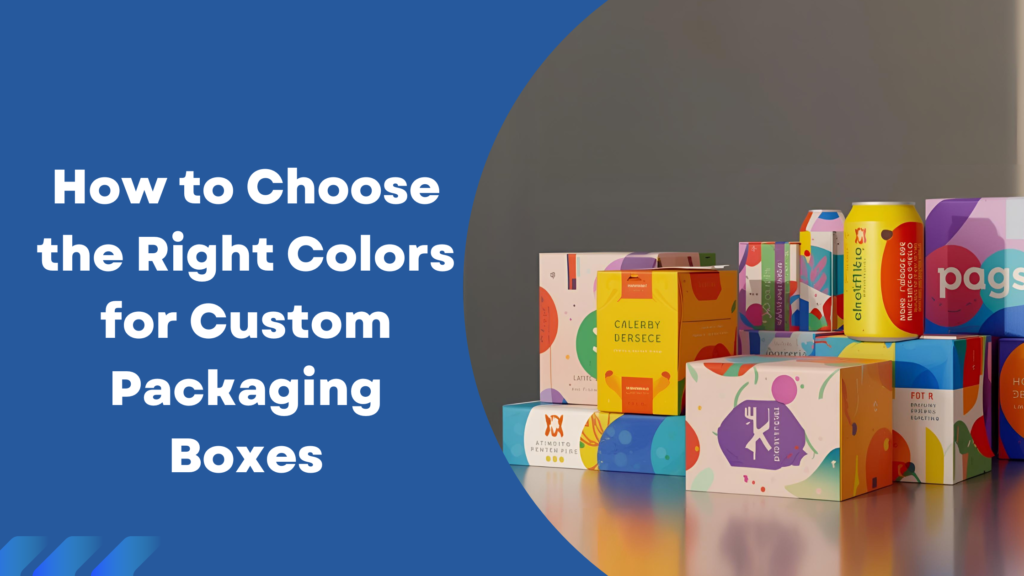

In the competitive world of retail and eCommerce, packaging is more than just a protective layer for your product—it’s a silent salesperson. Among all elements of packaging design, color plays a crucial role in capturing attention, evoking emotions, and influencing buying decisions. Choosing the right colors for your Custom Color Boxes can significantly boost brand recognition, customer engagement, and sales.
In 2026, with consumers more visually driven than ever, brands need to carefully select color palettes that align with their identity, product type, and target audience. This blog explores how to choose the right colours box for custom packaging boxes, the psychology behind colors, and practical tips to create packaging that stands out.
1. Understand the Psychology of Colors
Color psychology studies how colors affect human emotions and behavior. In packaging, color can instantly convey a brand’s personality, values, and the product’s purpose.
Common color meanings in packaging:
-
Red: Excitement, passion, energy, urgency; often used in food, snacks, and beverages
-
Blue: Trust, reliability, calmness; popular in tech, wellness, and skincare products
-
Green: Health, eco-friendliness, nature; ideal for organic or sustainable products
-
Yellow: Happiness, optimism, attention-grabbing; works well in toys and candies
-
Purple: Luxury, creativity, sophistication; perfect for cosmetics and premium products
-
Black: Elegance, exclusivity, power; often used for high-end or minimalist packaging
-
White: Simplicity, purity, cleanliness; versatile for minimalistic or eco-friendly packaging
-
Orange: Fun, warmth, affordability; great for snacks and casual products
By understanding the emotions associated with colors, you can select packaging shades that communicate your brand’s story effectively.
2. Align Colors with Your Brand Identity
Your brand colors should be reflected in your custom packaging boxes to maintain consistency across all touchpoints. Customers recognize brands by color as much as by logo.
Tips for alignment:
-
Use primary brand colors on the main panels of your box
-
Incorporate secondary or accent colors for contrast
-
Maintain consistency with your website, marketing materials, and product labels
-
Ensure colors complement your logo and typography
Consistency in color reinforces brand recognition, builds trust, and strengthens loyalty.
3. Consider Your Target Audience
Different colors appeal to different demographics. Understanding your target audience’s preferences ensures your packaging resonates with them.
Audience-specific color trends:
-
Children: Bright, vibrant colors like yellow, red, blue, and orange
-
Teenagers: Bold, contrasting, and trendy color combinations
-
Adults: Sophisticated, muted, or minimalist tones depending on lifestyle and taste
-
Luxury buyers: Gold, silver, black, deep purple, or navy
-
Eco-conscious consumers: Earthy shades like green, beige, and kraft brown
Selecting colors based on your audience increases the likelihood of capturing attention and driving purchases.
4. Match Colors to Product Type
The type of product you are packaging also dictates color choice. Packaging color should enhance the product’s appeal and communicate its purpose.
Examples:
-
Food items: Warm, appetizing colors like red, orange, yellow
-
Beverages: Fresh or energetic shades like green, blue, and metallic finishes
-
Cosmetics and skincare: Soft pastels, metallics, or elegant blacks and whites
-
Tech products: Sleek, modern tones like black, silver, or muted blues
-
Toys: Bright, playful colors for instant visual appeal
Colors should enhance the product experience and help customers identify the product’s category quickly.
5. Balance Color Combinations Carefully
Using multiple colors on packaging can be attractive but risky if not balanced correctly. Overcrowding with clashing colors can confuse consumers or make your product look cheap.
Color combination strategies:
-
Analogous colors: Colors next to each other on the color wheel for harmony
-
Complementary colors: Opposite colors on the color wheel for contrast and vibrancy
-
Triadic colors: Three evenly spaced colors for balanced energy
-
Monochromatic: Variations of one color for a minimalist, elegant look
Use color combinations wisely to create visual interest without overwhelming the consumer.
6. Consider Cultural Implications
Colors carry different meanings across cultures. If your product is intended for international markets, be mindful of how your colors may be perceived.
Examples:
-
White: Purity in the West, mourning in some Asian countries
-
Red: Luck in China, caution or danger in Western contexts
-
Black: Elegance in Europe, mourning in Western countries
-
Green: Nature and health in most countries, may be political in some regions
Understanding cultural nuances prevents miscommunication and ensures your packaging resonates globally.
7. Use Color to Highlight Key Information
Color isn’t just decorative; it can be functional. Highlighting important product information using contrasting colors makes your packaging more user-friendly.
Examples:
-
Use bright or bold colors for product names or offers
-
Highlight ingredients or usage instructions in contrasting shades
-
Emphasize call-to-action messages like “Limited Edition” or “New Arrival”
This approach improves readability, attracts attention, and boosts conversion.
8. Test Your Colors Before Mass Production
Colors can look different on screens versus printed packaging. In 2026, brands are using proofs and samples to ensure accurate representation.
Testing tips:
-
Order printed samples to check color accuracy
-
Test under various lighting conditions
-
Check compatibility with printing techniques: digital, offset, foil stamping, UV coating
-
Ensure consistency across multiple boxes and production runs
Testing colors helps avoid costly mistakes and ensures your packaging aligns with your brand vision.
9. Incorporate Trendy Colors for a Modern Look
Keeping up with color trends can make your packaging feel contemporary and attractive. Some 2026 packaging color trends include:
-
Bold, saturated tones for youthful brands
-
Pastel palettes for minimalistic or luxury cosmetics
-
Metallic accents for premium products
-
Earthy, muted colors for eco-friendly brands
-
Dual-tone or gradient designs for tech or lifestyle products
Trend-conscious colors can make your packaging stand out on retail shelves and appeal to modern consumers.
10. Combine Colors with Finishes for Maximum Impact
The finish of your packaging can amplify color effects and overall appeal.
Popular finishes:
-
Matte: Subtle, sophisticated, luxurious feel
-
Glossy: Vibrant and eye-catching
-
Spot UV: Highlights logos or design elements
-
Foil stamping: Adds metallic elegance
-
Embossing/Debossing: Adds texture and dimension
The right finish can make even simple color choices feel premium and memorable.
Final Thoughts
Choosing the right colors for custom packaging boxes is a strategic decision that affects branding, marketing, and sales. By understanding color psychology, aligning with brand identity, considering target audience and product type, balancing combinations, and testing prints, brands can create packaging that resonates with consumers and stands out in 2026’s competitive market.
Colors, when combined with thoughtful design and high-quality finishes, can transform packaging from a simple container into a powerful brand ambassador. Investing time in color selection ensures your custom packaging boxes communicate your brand story, attract the right customers, and drive long-term loyalty.