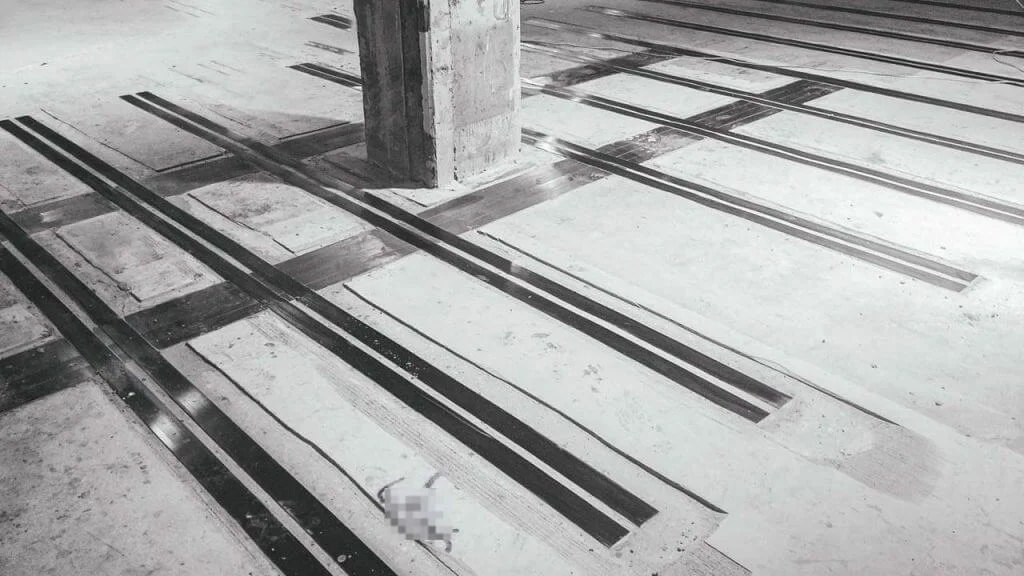

Many buildings in India face issues like ageing concrete, increased load demands, or design gaps that lead to weak shear capacity. When these structures begin to show diagonal cracks, exposed reinforcement, or stress marks near beams and columns, they require immediate attention. This is where shear strengthening becomes essential, as it improves a structure’s ability to resist lateral forces and prevents sudden failures under seismic or load conditions.
Why Shear Failure Is a Serious Structural Concern
Shear failure is one of the most unpredictable structural issues because it often appears without warning. When beams or columns lose their ability to resist lateral loads, they may collapse suddenly. For growing cities where high-rise buildings, industrial units, and commercial complexes face heavy usage, shear strengthening becomes a necessary solution. It helps manage increased loads, improve earthquake resistance, and enhance the durability of ageing reinforced concrete members.
Signs That Indicate a Need for Structural Shear Upgrades
Property owners often overlook early signs of damage, which leads to costly repairs later. Diagonal cracking on beams, concrete spalling, reduced stiffness, and vibrations are typical indicators that the structure is under stress. These issues may develop due to poor original detailing, environmental exposure, or corrosion in steel reinforcement. In such cases, shear strengthening helps restore the structural capacity and prevents further deterioration in the affected areas.
How Modern Buildings Benefit From Shear Enhancement Solutions
With urban infrastructure expanding rapidly, older structures often struggle to match the load demands of new usage patterns. Industrial machinery, commercial renovations, and additional floors increase stress on beams and columns. Shear strengthening helps upgrade these components, making them capable of sustaining higher loads. It also improves performance under seismic activity, ensuring that the building stays safe during ground movement and meets updated structural safety guidelines.
Different Techniques Used for Shear Upgrades in Concrete Structures
Several methods are used depending on the building condition and project requirement. Traditional steel jacketing is suitable for heavily damaged components, while advanced techniques like fibre wrapping provide a lightweight yet strong solution. External plate bonding and additional reinforcement bars are also widely used. Among these, carbon fibre wraps have become popular due to their high tensile strength and ease of installation. All these methods support reliable shear strengthening outcomes.
Why Fibre Wrapping Is Widely Used for Modern Shear Repair Work
Fibre wrapping, especially with high-strength composites, has become a preferred option in many projects. It offers faster installation and does not add significant weight to the structure. The wraps enhance the shear capacity by confining the concrete and improving ductility. This makes fibre wrapping a strong choice for columns, beams, and shear walls that need reinforcement. It is one of the most efficient ways to achieve long-term shear strengthening in space-restricted environments.
Role of Carbon Fibre Reinforced Polymer in Shear Rehabilitation
Carbon Fibre Reinforced Polymer is widely used due to its durability and performance under stress. It bonds strongly with concrete and increases its load-carrying capacity. Since CFRP sheets are lightweight, they are suitable for structures where additional load must be avoided. They also resist corrosion and environmental damage. When applied correctly, CFRP plays a vital role in reliable shear strengthening, particularly for beams and columns experiencing diagonal tension cracks or seismic stress.
Where Shear Reinforcement Is Commonly Required in Buildings
Shear upgrades are common in parking structures, industrial units, commercial complexes, basements, bridges, and residential buildings that have undergone heavy use over the years. Schools, hospitals, and government buildings also require periodic checks due to constant occupancy. In such places, shear strengthening helps increase safety standards. It supports long-term structural stability, which is crucial in public or high-traffic buildings where any form of structural weakness can create serious risks.
Choosing the Right Technique Based on Building Condition
Selecting the correct strengthening method depends on factors like crack pattern, load requirements, structural layout, and future usage plans. Engineers study the existing strength of the component, calculate stress distribution, and recommend the most suitable technique. For minor issues, fibre wrapping may be enough, while severely damaged components may need steel jacketing. No matter the approach, successful shear strengthening requires precise engineering assessment and proper material selection for dependable results.
How Shear Upgrades Improve Earthquake Resistance
Earthquake-prone regions in India, especially states with moderate to high seismic activity, rely heavily on shear upgrades to maintain structural safety. Beams and columns lose strength under repeated seismic cycles, increasing the risk of brittle failure. Shear strengthening helps reinforce these members so they can sustain lateral loads and transfer forces safely during ground movement. This upgrade is critical for both existing buildings and structures undergoing seismic retrofitting to comply with updated safety measures.
Enhancing Load Capacity of Industrial and Commercial Buildings
Industrial buildings often support heavy machinery, dynamic loads, and constant vibration. Commercial complexes face high footfall, renovations, and load variations due to occupancy changes. In such environments, the structural elements must be strong enough to carry additional stress. Shear strengthening upgrades the load-bearing capacity of beams and columns, making the structure more adaptable to future changes. This prevents unexpected damage and ensures the building performs well even under demanding conditions.
How Contractors Carry Out Shear Repair and Strengthening Work
The process begins with detailed structural inspection, crack mapping, and load evaluation. Contractors clean the surface, repair damaged concrete, and apply bonding agents. Depending on the technique, they add steel jackets, wrap with fibre sheets, or install external plates. Quality control is maintained at every stage to ensure proper adhesion and alignment. Well-executed shear strengthening gives long-lasting and predictable performance when handled by trained professionals and as per engineering guidelines.
Duration and Cost Factors Involved in Shear Repair Projects
The cost of upgrading a structure varies depending on the size of the component, type of strengthening method, material choice, and labour requirement. Lightweight methods like fibre wrapping are faster but require skilled workmanship. Steel jacketing is cost-effective for heavy damage but takes longer. Despite variations, shear strengthening is always more economical than major repairs or reconstruction. Timely upgrades also reduce future expenses by preventing continuous deterioration in the affected areas.
Why Early Detection Avoids Higher Repair Costs Later
Ignoring structural cracks can lead to severe damage that compromises the stability of the entire building. Early detection allows engineers to apply quick repair methods that restore strength at lower cost. If left unattended, cracks widen, reinforcement corrodes, and concrete loses integrity. Timely shear strengthening prevents such escalation and ensures that the building maintains its original load capacity. This approach protects both safety and long-term investment in the property.
Maintaining Strengthened Structures for Long-Term Performance
After strengthening, structures require periodic inspection to ensure the repairs remain in good condition. Engineers check the bonding of wraps, the integrity of jackets, and the behaviour of the repaired members under load. Regular monitoring helps identify any new stress areas and prevents future failures. Proper maintenance, combined with a structured schedule of inspections, ensures that the shear strengthening work remains effective for many years and supports the building’s overall safety.
Whether for aging buildings, seismic-prone zones, or industrial facilities with rising load demands, shear strengthening is one of the most important structural interventions. It restores safety, improves durability, and prepares the building for long-term use. As Indian cities continue to grow, upgrading structural components will remain essential for safe construction practices. Property owners who invest early in reliable shear reinforcement avoid costly damage and ensure better performance across the building’s life cycle.